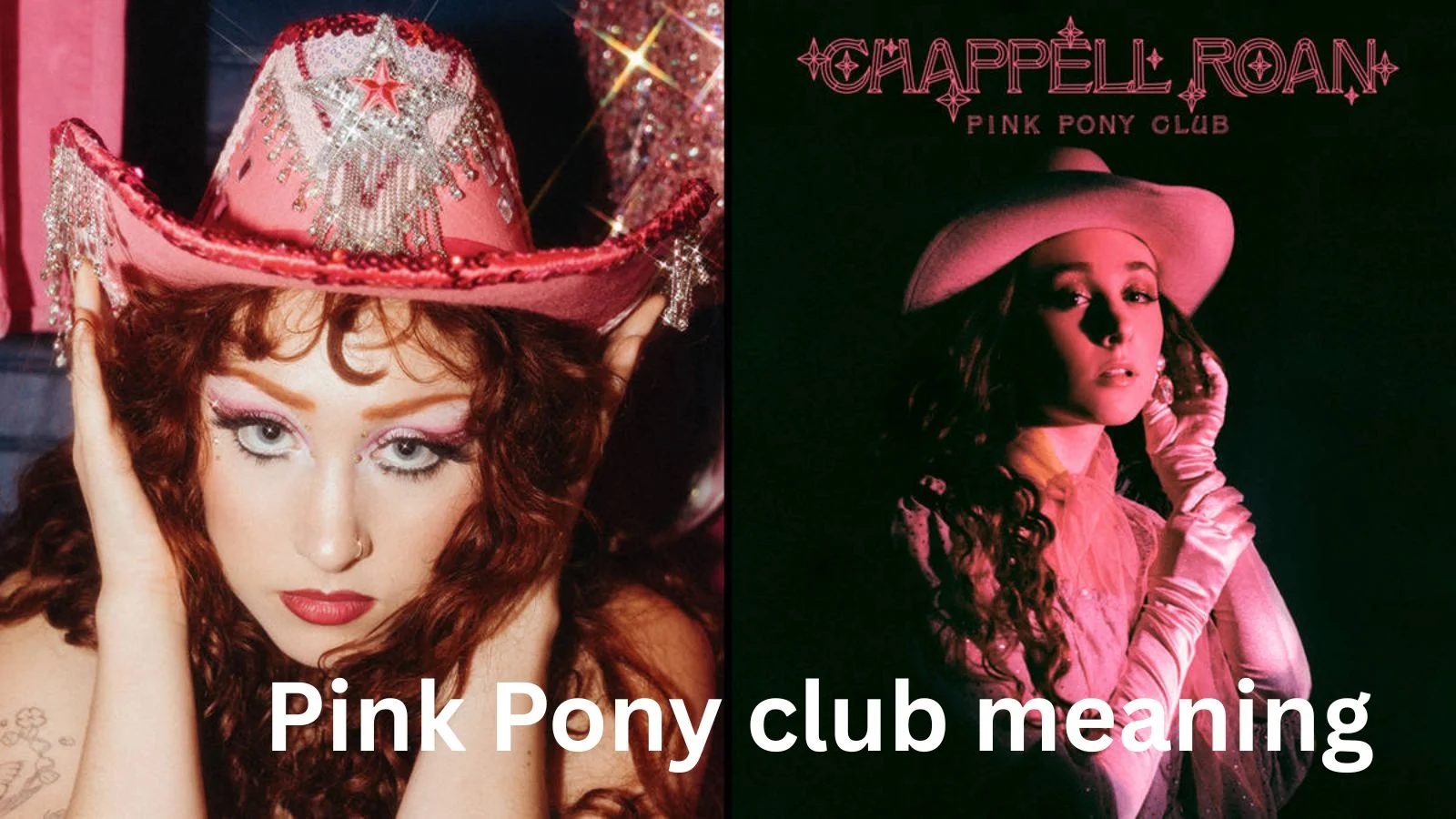
The phrase Pink Pony Club is often used to describe a symbolic space or feeling where a person can be themselves, feel free, and celebrate individuality without judgment. It became popular because of the song “Pink Pony Club” by singer Chappell Roan.
In this context, it is not a real club. Instead, it represents a safe and joyful place — a metaphor for freedom, self-expression, and belonging. People often use the phrase online, in text messages, or in conversation to describe a moment, mood, or community where someone feels confident and happy.
Simple Definition
Breaking it down into simple words:
- Pink: Happiness, brightness, boldness
- Pony: Playfulness, freedom, energy
- Club: A group or a space where people come together
Together, Pink Pony Club means a fun, safe space to be yourself and express your true self.
Origin and History of Pink Pony Club
The phrase became widely known through the song by Chappell Roan, which first gained attention in 2020. The song is part of her album The Rise and Fall of a Midwest Princess.
Inspiration Behind the Song
Chappell Roan wrote the song after visiting a gay bar in West Hollywood, California. She described feeling accepted, free, and confident for the first time. That experience inspired the idea of a club where everyone can be themselves.
The phrase then spread beyond the song and became a symbol of individuality, acceptance, and joy.
Cultural Impact
Since its release, Pink Pony Club has become part of popular culture. People use it to describe confidence, self-expression, creativity, and a supportive community. It is especially common in queer spaces, but anyone can use it to express freedom and joy.
Why Pink Pony Club Matters
The phrase represents several key ideas:
- Self-expression: Being true to yourself without fear
- Confidence: Celebrating who you are
- Belonging: Feeling accepted in a community
- Freedom: Breaking free from societal expectations
In short, it is a metaphor for empowerment, creativity, and happiness.
Real-Life Examples
Here are examples of how people use Pink Pony Club in everyday situations:
Example 1: Personal Expression
Anna: “I dyed my hair bright pink today!”
Ben: “That’s pure Pink Pony Club energy.”
Explanation: Ben says Anna is bold and being herself.
Example 2: Following Your Dreams
Sara: “I’m quitting my job to paint full-time.”
Mom: “That sounds like joining the Pink Pony Club.”
Explanation: Mom is supporting Sara’s choice to follow her passion.
Example 3: Social Media Post
Friend: “Feeling amazing after my art class!”
You: “This is totally Pink Pony Club vibes.”
Explanation: You celebrate your friend’s happy and confident mood.
Example 4: Supportive Environment
Coach: “You belong here. Be proud of who you are.”
Player: “It feels like Pink Pony Club.”
Explanation: The player feels safe and supported.
Personality Traits of a Pink Pony Club Member
People who relate to Pink Pony Club often share these traits:
- Boldness: Unafraid to stand out
- Creativity: Enjoy art, music, or self-expression
- Confidence: Believe in their abilities
- Openness: Accepting of themselves and others
- Joyfulness: Maintain a positive outlook
Common Contexts
People usually use the phrase in:
- Text messages
- Social media captions
- Conversations about identity or choices
- Celebrating personal achievements
- Describing a safe, supportive community
Visual Meaning Table
| Element | Meaning |
| Pink | Joy, brightness, boldness |
| Pony | Freedom, playfulness, energy |
| Club | Belonging, community, support |
Together, it symbolizes a safe, happy space to be yourself.
Common Mistakes and Misconceptions
Mistake 1: Thinking it is a real club
Some assume Pink Pony Club is a physical nightclub.
Correction: It is mostly a metaphor from the song.
Mistake 2: Sexualizing the phrase
Some online users may interpret it sexually.
Correction: Its primary meaning is freedom, confidence, and joy, not sexuality.
Mistake 3: Literal pony
Some children may think it involves a real pink pony.
Correction: “Pony” is symbolic, representing playfulness and freedom.
Modern & Relatable Examples (2026)
Social Media Posts
“New hair color, new me. Pink Pony Club mood today!”
Explanation: Expressing confidence and self-expression.
Creative Events
Some youth communities organize Pink Pony Club-themed events to celebrate identity and freedom.
Explanation: These events are about joy, art, and community, not a literal club.
Music and Culture
The song continues to appear in playlists, online performances, and viral videos.
Explanation: People connect with the message of empowerment and creativity.
Frequently Asked Questions
Is Pink Pony Club a real place?
No. It started as a song title and is mostly a symbolic expression of joy and freedom.
What does Pink Pony Club mean in slang?
It refers to being yourself, celebrating confidence, and enjoying freedom.
Why is “pink” used?
Pink represents happiness, boldness, and creativity.
Is it related to LGBTQ+ culture?
Yes, it is often used in queer spaces to express pride, acceptance, and freedom, though anyone can use it.
Can anyone use this phrase?
Yes, it is for anyone who wants to express confidence, creativity, and joy.
Is it offensive?
No. It is generally positive and uplifting, though some may misinterpret it.
How did it become popular?
The song by Chappell Roan went viral, and people started using it in everyday language.
Conclusion
Pink Pony Club is a phrase that symbolizes freedom, creativity, and confidence. It encourages people to express themselves openly, celebrate individuality, and embrace positivity. While it started as a song title, its cultural impact has made it a metaphor for safe, joyful, and accepting spaces. Whether you use it to describe your mood, support a friend, or express yourself online, the phrase promotes self-expression and community. Embrace the spirit of Pink Pony Club in your daily life and share your bold, creative, and authentic self with the world.
Discover More Post
ETA Meaning: Definition, Usage, and Examples (2026 Update)
IYKYK Meaning: Definition, Origin, Examples & Modern Usage (2026 Update)
Kroner Meaning: Definition, History, Examples & Modern Usage Explained (2026 Guide)