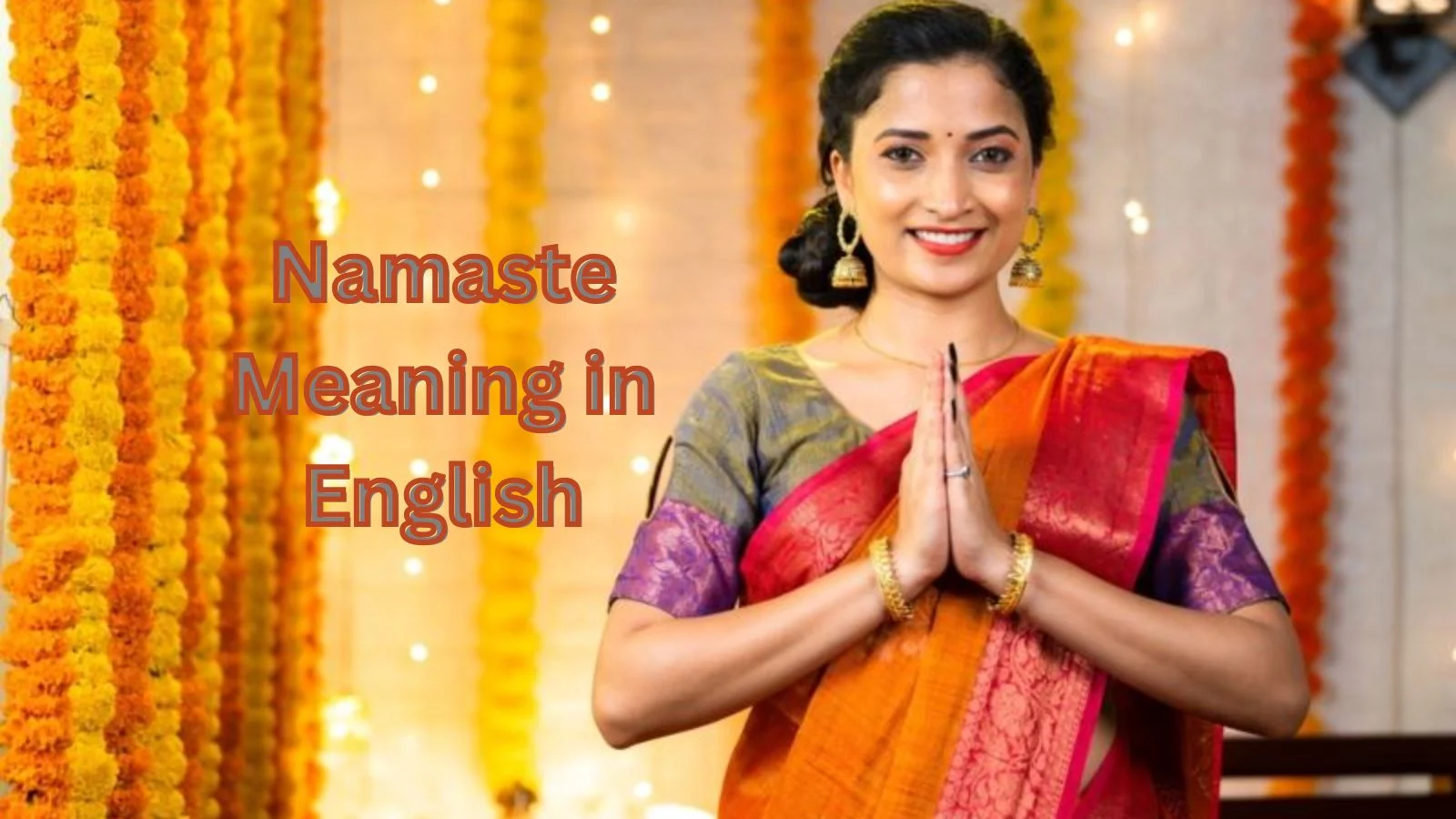
Namaste is more than just a word; it is a meaningful greeting used across South Asia, particularly in India and Nepal. In English, it is often translated as “I bow to you” or “The divine in me honors the divine in you.” This word is used to show respect, humility, and acknowledgment of others, whether in casual meetings, formal settings, or spiritual gatherings.
In this article, we will explain the meaning of Namaste in English, explore its origin and history, share real-life examples and dialogues, highlight personality traits of people who use it, and discuss modern usage in 2026. We will also cover common mistakes, FAQs, and tips for correct usage.
What Does Namaste Mean in English?
The word Namaste originates from Sanskrit, an ancient language of India. It is a combination of two words:
- Namaḥ – meaning “bow” or “salutation”
- Te – meaning “to you”
Thus, Namaste literally translates to:
“I bow to you” or “I honor the divine in you.”
It is traditionally spoken while folding the hands in front of the chest, known as Anjali Mudra, and slightly bowing the head. This gesture is as important as the word itself because it communicates sincerity and respect.
Key Points:
- Namaste is a greeting and a farewell.
- It expresses respect, humility, and recognition.
- The gesture of folded hands makes the greeting complete.
Origin and History of Namaste
Namaste has been used for thousands of years in Indian culture. It appears in Hindu, Buddhist, and Jain texts, often in religious or spiritual contexts. Historically, it was not just a casual greeting but a sign of deep respect and acknowledgment.
- In ancient temples, Namaste was a way to show devotion and reverence to deities.
- In medieval India, it was used in royal courts and among scholars to demonstrate respect.
- In modern times, Namaste has spread globally, especially through yoga, meditation, and wellness practices.
| Period | Usage of Namaste |
| Ancient India (Vedic Era) | Spiritual greeting in temples |
| Medieval India | Used in royal courts and scholarly circles |
| Modern Era | Common in homes, workplaces, yoga studios, and international settings |
How to Use Namaste Correctly
The correct use of Namaste involves both words and gestures.
- Fold your palms in front of your chest.
- Slightly bow your head as a sign of respect.
- Speak clearly and politely: “Namaste.”
Examples of Use:
- Formal Greeting:
Teacher: “Namaste, students.”
Students: “Namaste, sir.”
Explanation: This shows respect in a classroom or formal setting.
- Casual Greeting:
Friend: “Namaste! How are you?”
You: “Namaste! I’m doing well.”
Explanation: Friendly and respectful.
- Yoga or Spiritual Context:
Instructor: “Let’s start with Namaste.”
Students: “Namaste.”
Explanation: Shows mutual respect and mindfulness.
Personality Traits of People Who Use Namaste
People who frequently use Namaste tend to display certain characteristics:
- Respectful: They value others’ presence and feelings.
- Humble: They show modesty and avoid arrogance.
- Mindful: They are conscious of body language and energy.
- Culturally Aware: They appreciate traditions and spiritual meanings.
Common Contexts:
- Home: Greeting elders and relatives
- Workplace: Polite acknowledgment in meetings
- Yoga or Meditation: Spiritual practice
- Tourism: Respecting local culture when traveling
Common Mistakes or Misconceptions
- Using Namaste without the gesture: Saying the word without folding hands or bowing may seem less respectful.
- Treating it as a casual “hello”: Namaste is more formal and respectful than a casual greeting.
- Overusing it in inappropriate contexts: Using it excessively or in settings where it does not fit may cause confusion.
Tip: Always fold your hands and bow slightly to convey sincerity.
Modern and Relatable Examples (Updated for 2026)
Even in modern settings, Namaste continues to be used globally:
- Virtual Meetings:
Host: “Namaste everyone, welcome to today’s session.”
Explanation: Shows cultural respect and starts a professional meeting politely.
- Online Yoga Classes:
Instructor: “Thank you for attending. Namaste.”
Explanation: Common in wellness and meditation communities.
- Travel Abroad:
Tourist: “Namaste!”
Local: “Namaste! Welcome to our country.”
Explanation: A polite acknowledgment of cultural traditions.
- Social Media and Lifestyle Posts:
Caption: “Starting the day with gratitude and Namaste.”
Explanation: Combines traditional greeting with modern lifestyle content.
Real-Life Examples and Short Dialogues
Example 1 – Greeting Elder:
You: “Namaste, uncle.”
Uncle: “Namaste, beta.”
Explanation: Respectful greeting for elders.
Example 2 – Meeting a Teacher:
Teacher: “Good morning.”
You: “Namaste, sir.”
Explanation: Polite and culturally appropriate response.
Example 3 – Yoga Class:
Instructor: “Let’s begin with Namaste.”
Students: “Namaste.”
Explanation: Mutual acknowledgment and respect in spiritual practice.
Different Meanings and Contexts of Namaste
| Meaning | Context |
| I bow to you | Formal greeting |
| The divine in me honors the divine in you | Spiritual or meditation |
| Respectful hello | Casual daily use |
| Polite goodbye | Farewell situations |
Situations to Use Namaste
- Meeting elders at home
- Greeting friends and colleagues
- Starting or ending a yoga or meditation session
- Acknowledging cultural traditions while traveling
- Professional or virtual meeting greetings
Quick Do’s and Don’ts
Do:
- Fold hands while saying Namaste
- Slightly bow your head
- Use it in respectful and formal settings
Don’t:
- Only say the word without gesture
- Treat it as casual slang
- Overuse it in inappropriate settings
Frequently Asked Questions
Is Namaste only for Indians?
No. Anyone can use it respectfully worldwide as a gesture of acknowledgment.
Can I say Namaste in English conversations?
Yes, it is commonly used in English while talking about yoga, spirituality, or cultural greetings.
Does Namaste have religious significance?
Not necessarily. While rooted in Hinduism, it is widely used in non-religious contexts to show respect.
How should I respond to Namaste?
Fold your hands, bow slightly, and say Namaste in return.
Is it appropriate in professional settings?
Yes, it is polite, respectful, and culturally aware for workplace greetings.
Can Namaste be written in texts?
Yes. People often write it as “Namaste” to convey respect digitally.
Why do we fold hands during Namaste?
It symbolizes respect, humility, and acknowledgment of another person’s presence or soul.
Conclusion
Namaste is a meaningful greeting that conveys respect, humility, and mindfulness. Its use has evolved from ancient temples to modern homes, workplaces, and global yoga communities. By saying Namaste with the proper gesture, you acknowledge others respectfully and show cultural awareness.
In 2026, using Namaste in everyday life, whether in person or virtually, demonstrates respect, mindfulness, and a connection to cultural traditions. Start greeting people with Namaste to build positive and respectful interactions in all areas of life.
Discover More Post
Tenure Meaning in Job – Simple Definition, Examples & Modern Usage (2026)
HML Meaning in Text – Simple Definition, Usage & Examples (2026)
AFK Meaning in Text – Simple Definition, Examples & Usage (2026 Guide)