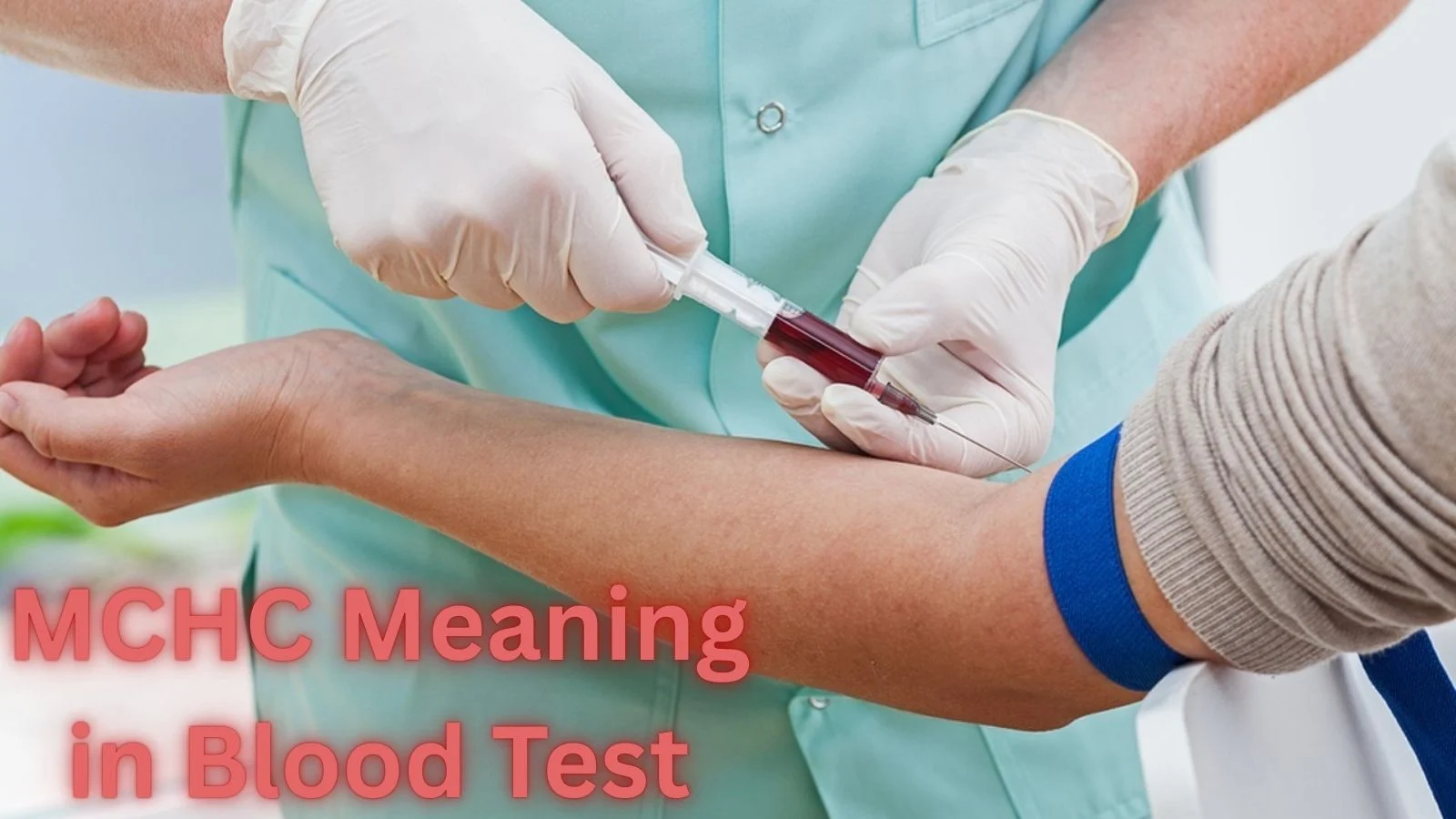
MCHC stands for Mean Corpuscular Hemoglobin Concentration. It is a measure of the average concentration of hemoglobin in your red blood cells. Doctors use this value to check for anemia or other blood-related issues. Understanding MCHC helps you interpret your blood test results clearly and make informed health decisions.
What is MCHC? (Simple Definition)
MCHC measures how much hemoglobin is packed inside red blood cells. Hemoglobin is the protein that carries oxygen. A higher or lower MCHC than normal may indicate health problems.
- Normal range: 32–36 g/dL (grams per deciliter)
- High MCHC: May indicate spherocytosis, dehydration, or vitamin B12 deficiency
- Low MCHC: Often linked to iron-deficiency anemia or chronic bleeding
Example:
If your MCHC is 34 g/dL, it means your red blood cells have a healthy concentration of hemoglobin.
Origin & History of MCHC
The concept of MCHC started in the early 20th century when scientists studied red blood cells and hemoglobin to better understand oxygen transport. They realized that knowing the concentration of hemoglobin in each cell was more informative than just counting the cells. Early measurements were manual and time-consuming, relying on lab techniques that are now considered outdated. Over the years, research led to standardized methods for calculating MCHC, improving accuracy and reliability.
With the invention of automated blood analyzers, measuring MCHC became faster and more precise. These machines allowed routine testing of large populations, helping doctors detect anemia and other blood disorders efficiently. MCHC quickly became a standard part of complete blood count (CBC) tests worldwide. Today, it remains an essential tool in modern hematology and preventive healthcare, guiding treatment decisions and monitoring patient health.
How MCHC is Measured
MCHC is calculated using this formula:
MCHC (g/dL) = Hemoglobin (g/dL) ÷ Hematocrit (%) × 100
- Hemoglobin (Hb): Total amount of hemoglobin in your blood
- Hematocrit (Hct): Percentage of blood made up of red blood cells
Example:
If Hemoglobin = 15 g/dL and Hematocrit = 45%, then MCHC = (15 ÷ 45) × 100 = 33.3 g/dL. This is within the normal range.
Real-Life Examples + Short Dialogues
Example 1:
Doctor: Your MCHC is slightly low.
Patient: What does that mean?
Doctor: It may indicate iron deficiency. We may recommend supplements.
Example 2:
Lab Report: MCHC = 37 g/dL
Nurse: This is slightly high. You might need further tests to check for spherocytosis.
Explanation: These examples show how MCHC results are discussed in real medical settings, making it easier to understand what your numbers mean.
Personality Traits / Usage Context
People interested in MCHC results are usually health-conscious and proactive about their well-being. They may have a history of anemia or other blood-related conditions. Medical professionals, including doctors and nurses, frequently use MCHC to monitor patient health. Researchers and students studying hematology also find MCHC essential for understanding red blood cell function.
People interested in MCHC results are usually:
- Health-conscious: They want to track their blood health.
- Patients with anemia: Monitoring red blood cell quality.
- Medical professionals: Doctors and nurses interpret these results daily.
- Researchers: Studying blood disorders and oxygen transport.
Understanding MCHC is helpful in both routine check-ups and specialized care.
Common Mistakes or Misconceptions
Many people confuse MCHC with MCH, which measures average hemoglobin per cell but not concentration. Assuming a normal MCHC automatically means good health is incorrect. Ignoring trends over time can be misleading, as sudden changes may indicate issues. Self-diagnosis based on MCHC alone is risky; only a healthcare professional can interpret results accurately.
- MCHC vs. MCH: MCH measures the average hemoglobin per cell, not concentration.
- Assuming normal = healthy: Normal MCHC does not guarantee there are no blood problems.
- Ignoring trends: A sudden rise or fall in MCHC over time can be more important than a single result.
- Self-diagnosis: Only a healthcare professional can confirm conditions based on MCHC.
Modern & Relatable Examples (Updated for 2026)
Many people track their MCHC to stay healthy. Fitness enthusiasts may notice a drop due to intense workouts. Vegetarians or vegans can experience lower MCHC from limited iron intake. Elderly individuals may see higher MCHC if dehydrated. Modern health apps now help monitor these changes easily and prevent potential problems.
- Fitness Enthusiasts: Low iron due to intense workouts may reduce MCHC. Example: “My MCHC dropped after a month of marathon training.”
- Vegetarians/Vegans: May have low MCHC due to limited heme iron intake.
- Elderly Patients: Dehydration can temporarily increase MCHC.
- Tech-Savvy Patients: Apps now help track blood test trends, including MCHC, for easier monitoring.
Explanation: These examples make MCHC relatable to everyday life in 2026, emphasizing preventive care and awareness.
MCHC Table – Normal vs Abnormal Levels
| MCHC Level (g/dL) | Interpretation | Possible Cause |
| 32–36 | Normal | Healthy blood |
| <32 | Low | Iron deficiency, chronic bleeding |
| >36 | High | Spherocytosis, dehydration, B12 deficiency |
Tips to Maintain Healthy MCHC
- Eat iron-rich foods (red meat, spinach, lentils)
- Include vitamin B12 and folate in diet
- Stay hydrated
- Avoid excessive blood loss
- Regular check-ups for people with chronic illnesses
Frequently Asked Questions
What does low MCHC indicate?
Low MCHC usually indicates iron-deficiency anemia or chronic blood loss.
Can dehydration affect MCHC?
Yes, dehydration can temporarily raise MCHC levels.
Is MCHC the same as hemoglobin?
No. Hemoglobin measures total protein, MCHC measures concentration in red blood cells.
How often should MCHC be checked?
During routine blood tests or if you have symptoms of anemia.
Can MCHC be improved naturally?
Yes, through diet rich in iron, B12, and folate.
Can MCHC indicate genetic disorders?
Yes, very high MCHC may indicate spherocytosis or other inherited blood disorders.
Should I worry about small fluctuations in MCHC?
Small changes are usually not serious but trends over time are important.
Conclusion
MCHC is an important blood test value that shows the concentration of hemoglobin in red blood cells. Understanding your MCHC helps detect anemia, monitor health, and make dietary or medical adjustments. Always consult a healthcare professional to interpret results correctly. Tracking MCHC over time can guide preventive care and improve overall well-being. Stay informed, take regular check-ups, and prioritize your blood health in 2026.
Discover More Post
Adonai Meaning in Bible: Definition, Usage, and Modern Examples (2026)
Pathos Meaning in Literature: Simple Definition, Examples, and Usage (2026 Guide)
GMFU Meaning in Text: Simple Definition, Usage, Examples & Personality Traits (2026)