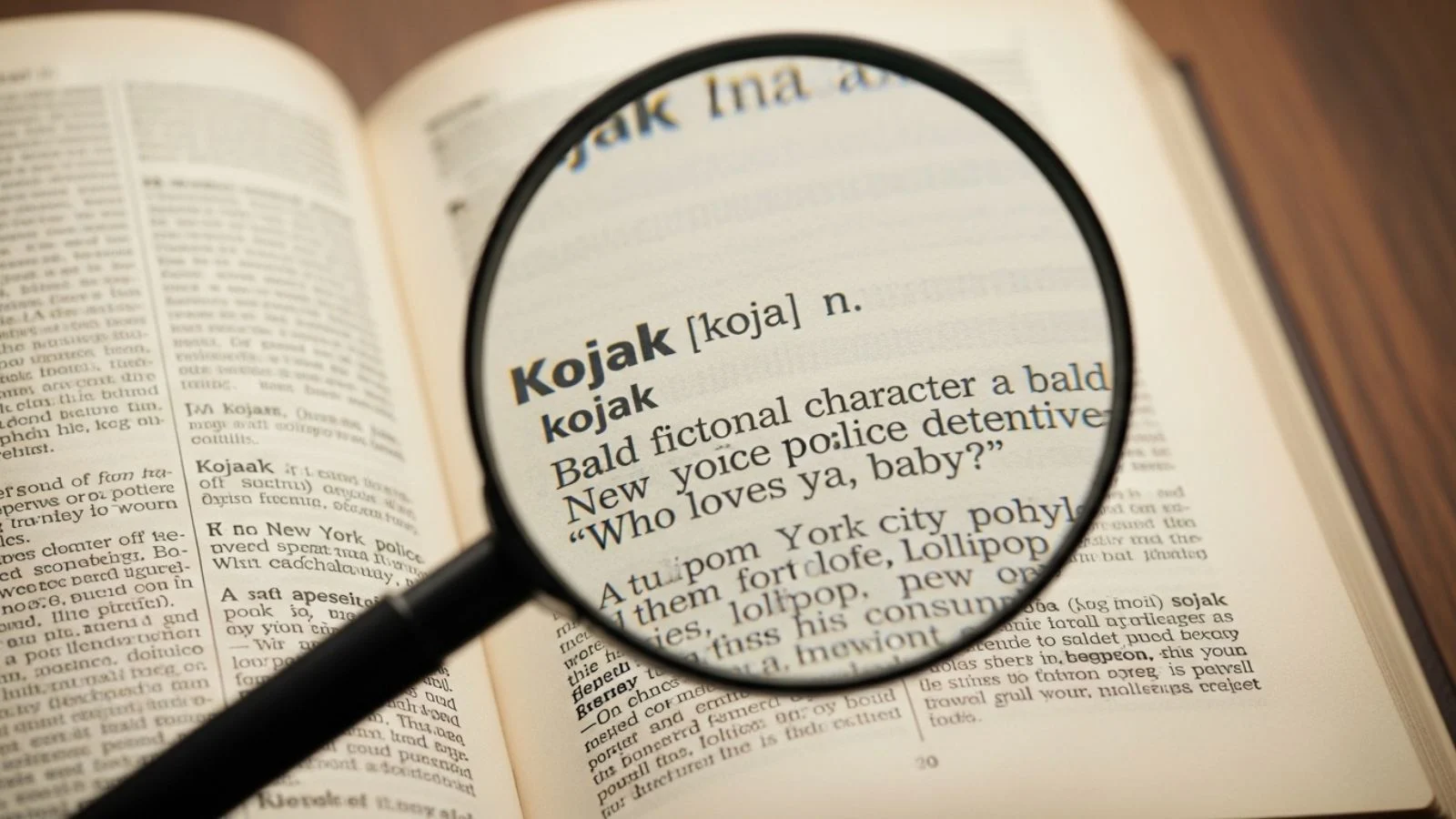
When you hear someone say “Kojak,” you might immediately think of the classic 1970s TV detective. But in modern chats, social media, and casual conversations, the term has taken on new life. People search for “Kojak meaning” because they’ve seen it online, in texts, or in memes, and they’re unsure how to interpret it. Understanding its meaning can clear confusion, make conversations smoother, and even help you use it with confidence.
Let’s break it down in simple, real-life terms.
Kojak – Quick Meaning
At its core, “Kojak” can mean several things depending on context, but it usually refers to:
- Someone who is observant or detective-like, noticing small details.
- A person who questions everything or is suspicious.
- In slang, occasionally used for someone who is tough or unafraid to confront issues.
Examples in conversation:
- “Stop being such a Kojak, I didn’t even do anything wrong.”
- “She’s acting like Kojak again, asking a million questions.”
- “If you want answers, you need to be Kojak and dig a little.”
Origin & Background
The term originates from the iconic TV series Kojak (1973–1978), starring Telly Savalas as Detective Kojak, a bald, street-smart, tough New York cop. He was famous for:
- Catchphrases like “Who loves ya, baby?”
- Sharp investigative skills
- Fearless confrontation of criminals
Over time, the TV character became a cultural symbol. People started referring to anyone keenly observant, daring, or suspicious as “Kojak,” especially in online forums and casual chats. The word evolved into slang, sometimes humorously, sometimes seriously, depending on the tone.
Real-Life Conversations
Here are some realistic examples of how “Kojak” appears in everyday digital chats:
WhatsApp:
Person A: Did you notice he deleted that message?
Person B: Yeah, total Kojak move.
Instagram DMs:
Person A: Why are you asking about her past posts?
Person B: Just being Kojak, can’t help it.
TikTok comments:
User1: This guy is checking everything like Kojak.
User2: Right? Total detective vibes.
These examples show how the term has shifted from a character’s name to a descriptor of behavior.
Emotional & Psychological Meaning
Calling someone “Kojak” is not just about observation; it often reflects:
- Curiosity – People naturally attracted to details.
- Suspicion – A cautious, questioning mindset.
- Confidence or Boldness – Willingness to confront situations.
It resonates with modern behavior where people navigate digital information constantly, observing, analyzing, and sometimes scrutinizing.
Usage in Different Contexts
Social Media:
- Often playful or teasing.
- Used in comment threads to highlight someone snooping or noticing things.
Friends & Relationships:
- Lighthearted banter: “You’re such a Kojak today.”
- Can also point out suspicion or curiosity in partner behavior.
Work or Professional Settings:
- Rare, but could describe someone thorough in checking details or reports.
- Tone must remain professional; using it casually may seem informal.
Casual vs Serious:
- Casual: teasing, playful, humorous.
- Serious: can imply skepticism or investigative attention.
Common Misunderstandings
- Some think it always means being nosy or annoying, but context matters.
- It doesn’t necessarily imply negative behavior—being Kojak can be smart or protective.
- Using it in serious professional emails can confuse the reader; it’s mostly informal slang.
Comparison Table
| Term | Meaning | Tone | Key Insight |
|---|---|---|---|
| Kojak | Observant, bold, detective-like | Informal | Playful or serious depending on context |
| Sherlock | Extremely analytical, detail-oriented | Neutral | More formal reference to intelligence |
| Nosy | Intrusive curiosity | Negative | Focused on annoyance rather than skill |
| Hawk-eyed | Sharp observation | Positive | Complimentary for attention to detail |
Key Insight: Kojak blends curiosity, boldness, and observation in a way that’s often playful but recognizable in digital culture.
Variations / Types of Kojak Behavior
- Classic Kojak – Like the TV character; smart, fearless.
- Detective Kojak – Obsessed with uncovering truths.
- Curious Kojak – Playfully inquisitive about minor details.
- Suspicious Kojak – Skeptical, cautious, double-checks everything.
- Bold Kojak – Confronts issues head-on.
- Digital Kojak – Observes online activity carefully.
- Friendly Kojak – Teases friends about small secrets.
- Professional Kojak – Thorough, attentive in work without negativity.
- Silent Kojak – Watches quietly but notices everything.
- Comedic Kojak – Exaggerated or meme-style reference in jokes.
How to Respond When Someone Uses It
Casual:
- “Haha, guilty as charged.”
- “Kojak mode activated!”
Funny:
- “Detective of the year, reporting!”
- “You caught me, Watson.”
Mature / Confident:
- “I prefer to stay observant.”
- “Better safe than sorry.”
Private / Respectful:
- “Noted, I’ll check carefully.”
- “Thanks for pointing that out.”
Regional & Cultural Usage
Western Culture:
- Mostly playful or nostalgic reference to the TV show.
Asian Culture:
- Often used in online communities to describe observation or curiosity.
Middle Eastern Culture:
- Rare, but when used, reflects someone being sharp or cautious.
Global Internet Usage:
- Memes, TikTok, Instagram comments often use it humorously or metaphorically.
Frequently Asked Questions
1. What does Kojak mean in slang?
It usually describes someone observant, curious, or bold.
2. Can Kojak be negative?
Yes, if it implies nosiness, but it often depends on context.
3. Is it only a TV reference?
No, it started there but evolved into modern slang.
4. How do I call someone Kojak in a friendly way?
Use playful tones like “Haha, total Kojak vibes.”
5. Can I use it professionally?
Cautiously—prefer informal chats or describing someone’s attentiveness.
6. Is Kojak used globally?
Yes, mostly online in memes, comments, and casual messaging.
7. What’s the opposite of Kojak?
Someone indifferent or oblivious to details.
Conclusion
“Kojak” is more than a TV character—it’s a symbol of observation, curiosity, and boldness in modern conversations. Using it correctly adds humor, personality, and context to your chats. Understanding the term helps you connect better with friends, engage in online communities, and even navigate social situations with confidence. Next time someone calls you Kojak, know they’re recognizing your keen sense of awareness and playful detective spirit.
Discover More Post
WYF Meaning in Text: What It Really Means and How to Use It