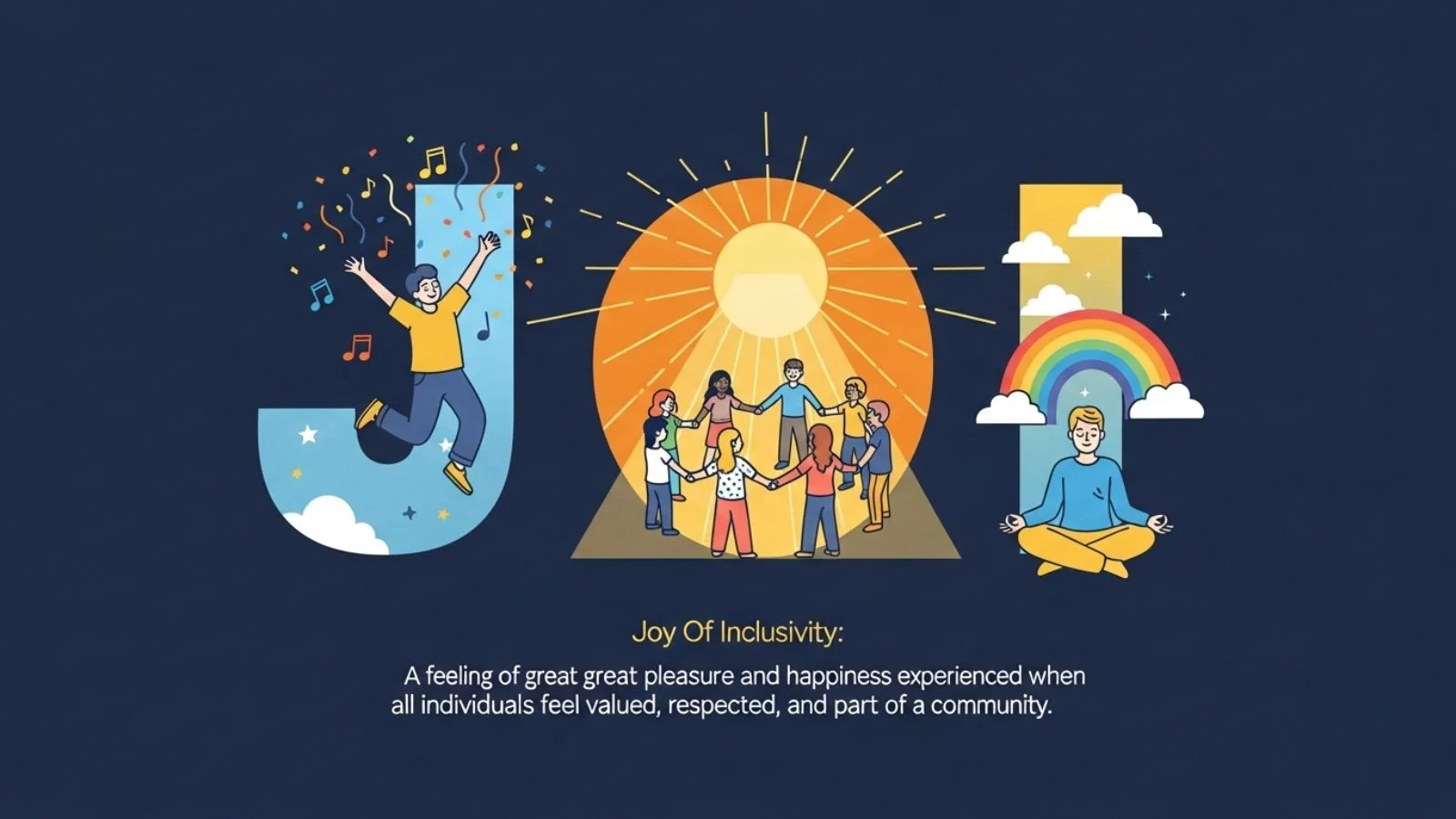
If you’ve ever scrolled through social media or chatted with friends online, you might have come across the term “joi”. Many people wonder what it actually means, why it’s used, and when it’s appropriate. At first glance, it might seem like a typo or a slang word you don’t recognize.
Understanding joi can save you from awkward misunderstandings in texts, social media comments, or casual chats. It also gives insight into modern digital communication and how words evolve online.
In this guide, we’ll break down joi completely—from its meaning and origin to real-life examples and cultural nuances.
Joi – Quick Meaning
At its simplest, joi is:
- A term used to express agreement, joy, or affirmation, depending on context.
- Often seen in online chats, social media comments, and casual text messages.
- Sometimes used as a friendly greeting or acknowledgment in informal communication.
Examples in sentences:
- “I just finished my project!”
- Response: “Joi! That’s awesome!”
- “Are you coming to the party tonight?”
- Response: “Joi, I’ll be there.”
- “Got the promotion today!”
- Response: “Joi! Congrats!”
Here, joi works like saying “yes,” “great,” or “awesome,” but with a more casual, modern flair.
Origin & Background
The term joi is believed to have originated as a slang adaptation of the English word “joy”. Early internet forums and chat platforms often abbreviated or stylized words to create a unique online identity. Over time, joi started appearing on:
- Social media platforms like Twitter and TikTok
- Messaging apps like WhatsApp and Instagram
- Online gaming chats, where quick affirmations are common
The spelling “joi” adds a modern twist and feels more playful than the standard word “joy.” Its rise aligns with the internet’s culture of brevity, creativity, and casual expression.
Real-Life Conversations
Here are some examples of how joi naturally appears in digital chats:
Conversation 1 – WhatsApp:
Person A: “I finally got tickets to the concert!”
Person B: “Joi! Can’t wait to go with you.”
Conversation 2 – Instagram DMs:
Person A: “Just tried that new café downtown.”
Person B: “Joi! I’ve been wanting to check it out.”
Conversation 3 – TikTok Comments:
User1: “This dance challenge is harder than it looks.”
User2: “Joi! Took me like 3 tries too.”
These examples show how joi is used as an informal, friendly affirmation or shared excitement.
Emotional & Psychological Meaning
Using joi reflects more than just acknowledgment. Psychologically, it signals:
- Positivity: Expressing happiness, excitement, or approval
- Inclusion: Creating a sense of shared experience or community
- Casual confidence: Modern speakers use it to show ease in digital communication
People connect with joi because it conveys emotion efficiently—without over-explaining. It’s a word that says, “I get it, I share your feeling, and I’m with you.”
Usage in Different Contexts
1. Social Media:
- Comments, replies, or reactions to friends’ posts
- Shows support or agreement
2. Friends & Relationships:
- Casual chats, planning events, or celebrating milestones
- Indicates excitement or shared happiness
3. Work or Professional Settings:
- Rarely used formally
- Might appear in casual internal chats among colleagues
4. Casual vs Serious Tone:
- Casual: “Joi! That’s amazing news!”
- Serious: Avoid using joi in official communication like emails or formal presentations
Common Misunderstandings
What people often get wrong:
- Thinking it’s a formal term—it’s not
- Assuming it always means “joy”—sometimes it’s just “yes” or “okay”
- Using it in inappropriate settings (like work emails)
Situations to avoid using joi:
- Formal business emails
- Academic submissions or professional reports
- Serious announcements or news
Comparison Table
| Term | Meaning | Usage Example | Tone |
|---|---|---|---|
| Joi | Affirmation, excitement, shared joy | “Joi! That’s awesome!” | Casual |
| Yay | Happiness, success | “Yay! We did it!” | Casual |
| Yes | Agreement, confirmation | “Yes, I’ll attend the meeting.” | Formal/Casual |
| Wow | Surprise or admiration | “Wow! That’s amazing.” | Casual |
| Meh | Indifference | “Meh, not interested.” | Casual/Neutral |
Key Insight:
Joi is versatile, but it thrives in informal, positive, shared experiences. It conveys more than a simple “yes”—it shares emotion and excitement.
Variations / Types of Joi
- Casual Joi – Quick agreement or acknowledgment
- Excited Joi – High energy, often in celebrations
- Supportive Joi – Encouragement or cheering someone on
- Playful Joi – Used jokingly among friends
- Emoji Joi – Combined with emojis to show excitement
- Text-Only Joi – Simple, minimalistic digital style
- Exaggerated Joi – Multiple letters for emphasis (“Joooooi!”)
- Silent Joi – Acknowledgment without words, using GIFs or stickers
- Sarcastic Joi – Light teasing or irony
- Cultural Joi – Localized meanings depending on region or community
How to Respond When Someone Uses Joi
- Casual Reply: “I know, right?”
- Funny Reply: “Joi! Let’s celebrate with cake.”
- Mature/Confident Reply: “Glad we’re on the same page.”
- Private/Respectful Reply: “Thanks for sharing, really appreciate it.”
Regional & Cultural Usage
- Western Culture: Mostly seen online, informal, friendly
- Asian Culture: Popular among youth on social media and messaging apps
- Middle Eastern Culture: Emerging in digital slang; sometimes mixed with English
- Global Internet Usage: Recognized in gaming, TikTok, Instagram, and global forums
The meaning is largely positive and casual worldwide, but tone and context are crucial.
Frequently Asked Questions
1. Is joi the same as joy?
Yes, it’s derived from “joy,” but it’s a casual, slangy form used in chats.
2. Can I use joi in formal emails?
No, it’s informal. Stick to “yes” or “great” in professional settings.
3. Does joi always mean happiness?
Not always—it can also mean agreement or acknowledgment.
4. Is joi popular worldwide?
Yes, especially on social media platforms and online communities.
5. How do I spell it correctly?
Always as joi, lowercase unless at the start of a sentence.
6. Can joi be used sarcastically?
Yes, tone matters. Sarcasm usually comes from context or added punctuation.
7. Is joi gender-specific?
No, anyone can use it regardless of gender.
Conclusion
Joi is more than just a slang word—it’s a digital-age expression of agreement, joy, and connection. Its charm lies in its simplicity and emotional resonance. By understanding joi, you can navigate online conversations more confidently, share excitement with friends, and avoid misunderstandings.
Next time you see joi in a chat, remember: it’s not just a word—it’s a small celebration of shared feelings, a modern way to say “I’m with you,” and a reflection of how language continues to evolve in our connected world.
Discover More Post
No Cap Meaning: What “No Cap” Really Means and How to Use It in 2026
Dragonfly Meaning: Discover the Symbolism, Conversations, and Real-Life Use
Fanum Tax Meaning: What It Really Means and Why People Are Talking About It