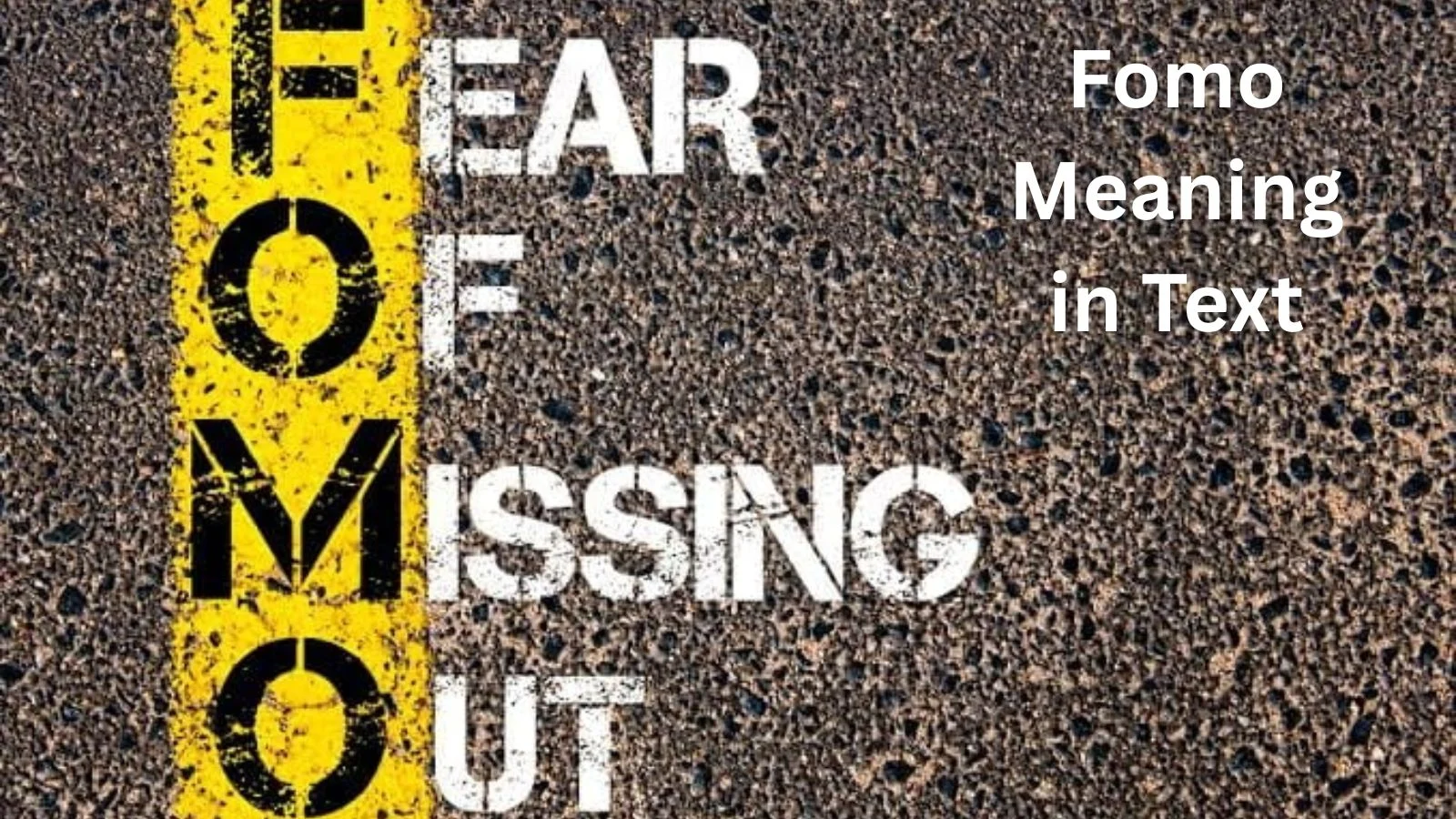
In today’s fast-paced digital world, new slang appears almost every day. One of the most popular terms is FOMO, which stands for “Fear of Missing Out.” People use it in texts, social media, and chats to show they don’t want to miss events or trends. Understanding FOMO helps you stay connected and express your feelings in a fun, relatable way.
FOMO is not just a word—it reflects a social behavior we all experience sometimes. From parties to online trends, it captures the excitement and anxiety of missing out. By learning how to use it correctly, you can make your texts more engaging and modern. This guide will explore its meaning, history, examples, and common usag.
What Does FOMO Mean in Text? (Simple Definition)
FOMO stands for “Fear of Missing Out.” It is used when someone worries they are missing an event, opportunity, or experience.
In texting, people use FOMO to express excitement, jealousy, or urgency. For example, “I have major FOMO about the party tonight!”
It is common in casual conversations, social media, and messaging apps. FOMO helps convey emotions quickly.
Understanding FOMO can make your texts relatable and show you are in touch with modern slang.
Origin & History of FOMO
The term FOMO first appeared in the early 2000s. It became popular with the rise of social media.
People began seeing others’ posts online and feeling anxious about missing events or trends.
Marketing and psychology experts also study FOMO because it can influence buying decisions.
Now, FOMO is part of daily language, especially in texting, social media, and online communities.
Real-Life Examples of FOMO (With Short Dialogues)
Example 1:
Text: “Everyone is at the concert! I have such FOMO ”
Explanation: The sender feels left out and wishes they were at the event.
Example 2:
Text: “I didn’t buy the new phone… major FOMO ”
Explanation: The person regrets missing the trend of buying something popular.
Example 3:
Text: “Skipping the trip? You’ll regret it. FOMO alert!”
Explanation: The sender warns their friend they might miss out on fun experiences.
Personality Traits of People Who Use FOMO
Social and outgoing: They like being involved in events.
- Trend-conscious: They follow social media and popular trends closely.
- Curious: They always want to know what’s happening around them.
- Impulsive: They may make quick decisions to avoid missing out.
Common Contexts to Use FOMO in Texts
FOMO is often used when inviting friends, like “Don’t miss the party tonight!” It appears in trends and shopping, such as “Everyone bought this, FOMO.” Social events also spark FOMO, like concert or trip updates. Even brands use it in marketing to create urgency, encouraging people not to miss limited offers or experiences.
Invitations: “Don’t miss the game tonight, or you’ll have FOMO!”
Trends & shopping: “Everyone got the new shoes. FOMO ”
Social events: “Concert photos are amazing. Total FOMO here!”
Digital marketing: Brands use it to create urgency: “Limited stock! Don’t miss out!”
Table: FOMO Explained for Beginners
| Term | Meaning | Example Text |
| FOMO | Fear of Missing Out | I can’t miss this movie, FOMO!” |
| JOMO | Joy of Missing Out | Staying home today, loving JOMO ” |
| YOLO | You Only Live Once | “Skydiving trip? YOLO!” |
| Trend FOMO | Fear of missing trends online | “Everyone has this app, FOMO!” |
Explanation: This table shows related slang and how FOMO differs. It helps beginners understand context quickly.
Common Mistakes or Misconceptions
Many people confuse FOMO with jealousy, but it specifically means missing out on experiences, not envying someone. Some use it in serious situations, but it’s meant for casual, social contexts. Overusing FOMO in formal texts can seem unprofessional or awkward. Understanding its proper usage helps avoid these common mistakes and keeps communication clear.
Mistake 1: Using FOMO for serious fear.
- Correction: FOMO is usually casual, playful, or social, not for deep anxiety.
Mistake 2: Confusing FOMO with jealousy.
- Correction: FOMO is about missing experiences, not envy of a person.
Mistake 3: Overusing FOMO in formal texts.
- Correction: Stick to casual conversations or social media.
Modern & Relatable Examples (2025 Updates)
In 2025, FOMO is everywhere in social media and messaging apps. People text about missing trending events, limited-edition products, or viral online content. Brands also use FOMO to create urgency, like “Limited stock! Don’t miss out!” Even streaming platforms spark FOMO when new series or movies drop, making users feel they should join in quickly.
- Social media post: “Everyone’s at the new café FOMO”
- Texting friend: “Missed the crypto drop, total FOMO ”
- Marketing usage: “Limited edition sneakers out now! Don’t get FOMO!”
- Streaming platforms: “Binge-watching new series alone? FOMO big time ”
Explanation: These examples show FOMO in daily 2025 life, making it easy to understand for beginners.
Quick Ways to Express FOMO in Texts
- “I can’t believe I missed this ”
- “FOMO hitting hard!”
- “Wish I were there!”
- “Everyone’s talking about it… FOMO alert!”
- “I should’ve joined ”
Frequently Asked Questions
Can FOMO be used in professional texts?
Usually not. It’s casual and fits social conversations better.
Is FOMO a new word?
No, it’s been around since the early 2000s but became popular with social media.
How is FOMO different from JOMO?
FOMO is fear of missing out, while JOMO is the joy of missing out.
Can FOMO affect mental health?
Sometimes, excessive FOMO may cause stress or anxiety about social life.
How do I respond to someone using FOMO in text?
You can empathize: “I know! It looks amazing ”
Is FOMO only for young people?
No, anyone who uses social media or messaging apps can relate to it.
Can brands use FOMO in marketing?
Yes, marketers create urgency using FOMO to encourage buying or joining events.
Conclusion
FOMO is a fun and relatable way to express the fear of missing out in text messages. Whether it’s about parties, trends, or online events, understanding FOMO helps you communicate naturally in 2025 conversations. By recognizing its usage, personality traits, and modern examples, beginners can confidently use it without mistakes. Next time you feel left out or see a friend’s exciting post, try using FOMO to convey your feelings in a short, expressive way. Start using FOMO in your chats today and connect better with friends online while keeping your texts lively and modern!
Discover More Post
Hakuna Matata Meaning in English – Simple Definition, Origin, Examples & Usage
OTP Meaning in Text: Simple Definition, Usage, and Modern Examples
Meaning in Text – Simple Definition, Usage, and Modern Examples