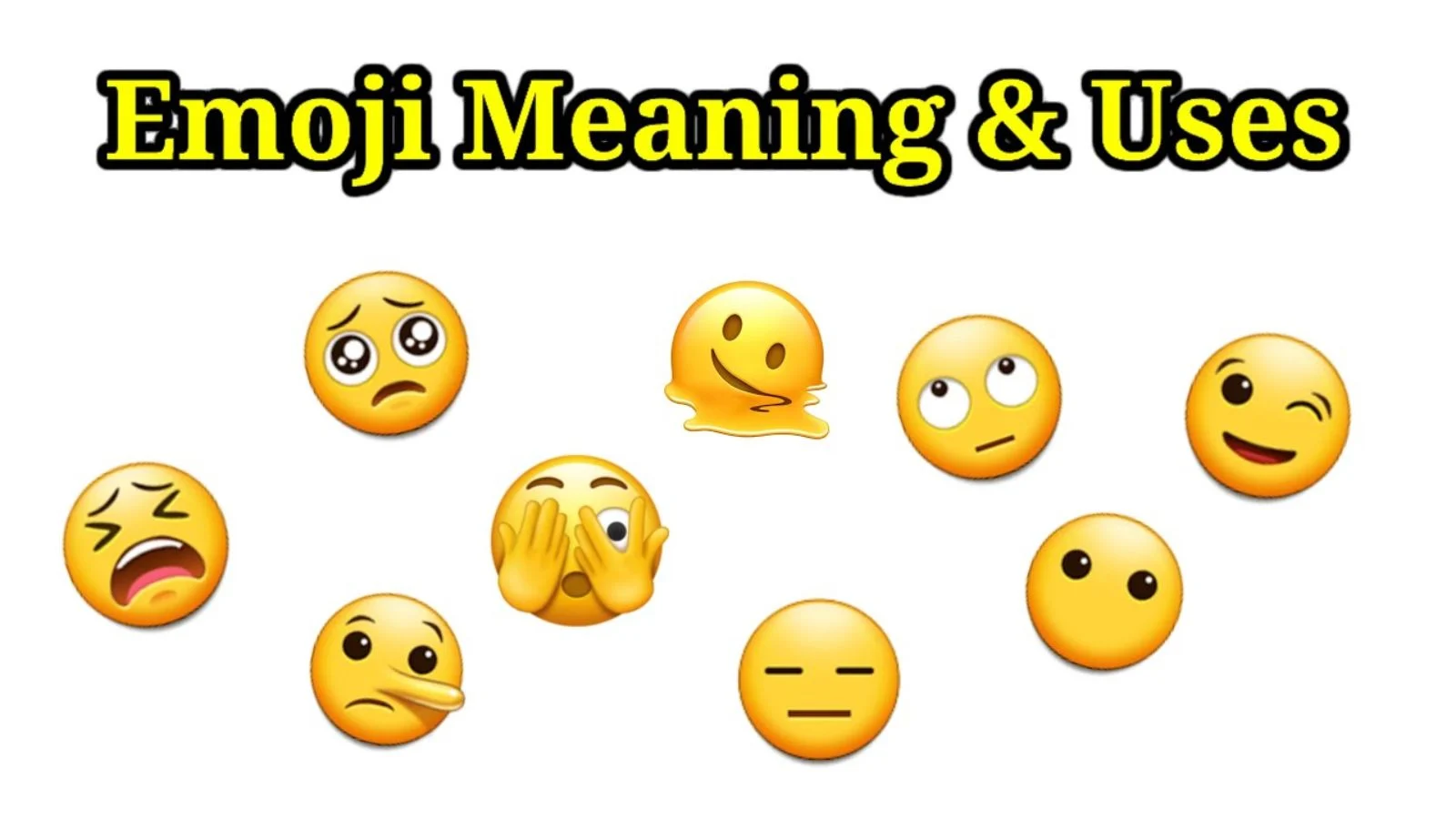
What Is the Meaning of Emoji?
The word emoji means a small digital picture or symbol used in messages to show feelings, ideas, or reactions.
In simple words, an emoji is a tiny image that helps you express emotion in text.
For example:
- A smiling face shows happiness.
- A heart shows love.
- A thumbs-up shows approval.
Before emojis, people only used words. But words can feel plain. Emojis add emotion and tone to online conversations.
Today, emojis are used in:
- Text messages
- WhatsApp chats
- Instagram captions
- Facebook comments
- Emails
- Blogs and marketing
They help people understand feelings quickly and clearly.
Origin and History of Emoji
Where Did Emojis Come From?
The word emoji comes from Japanese:
- “E” means picture
- “Moji” means character
So, emoji means picture character.
When Were Emojis Created?
Emojis were first created in 1999 in Japan by a designer named Shigetaka Kurita.
He made 176 small images for mobile phones. These early emojis were simple, like:
- Smiley faces
- Weather signs
- Hearts
- Symbols
They became popular very fast.
How Did Emojis Spread Worldwide?
Around 2010, emojis were added to the Unicode Standard. This allowed emojis to work on:
- Apple devices
- Android phones
- Windows systems
After that, social media made emojis even more popular.
Today in 2026:
- Thousands of emojis exist
- New emojis are added every year
- Emojis reflect culture, diversity, and trends
Why Emojis Are Important in Communication
Text messages do not show facial expressions or tone. This can cause confusion.
For example:
Person A: “Fine.”
Person B: “Are you angry?”
But if you add an emoji:
Person A: “Fine.” + smiling face
Now the message feels friendly.
Emojis Help With:
- Showing emotion
- Making tone clear
- Adding personality
- Making content fun
- Improving engagement online
Studies show that messages with emojis often feel:
- Warmer
- Friendlier
- More human
Types of Emojis and Their Meanings
Below is a simple table to help beginners understand common emoji categories.
| Category | Meaning | Example Usage |
| Face Emojis | Show emotions | Happy, sad, angry |
| Hand Emojis | Show actions | Thumbs up, clap |
| Heart Emojis | Show love or care | Romantic or friendly love |
| Animal Emojis | Represent traits | Lion for bravery |
| Object Emojis | Show things | Phone, gift |
| Symbol Emojis | Express ideas | Check mark, star |
Each emoji category has a different purpose.
Real-Life Examples With Simple Explanation
1. Happy Face
Message: “I passed my exam.” + smiling face
Meaning: The person feels happy.
Explanation: The emoji shows joy without writing “I am happy.”
2. Crying Face
Message: “I miss you.” + crying face
Meaning: The person feels sad.
Explanation: The emoji adds emotional depth.
3. Thumbs Up
Message: “Meeting at 5 PM?”
Reply: Thumbs up
Meaning: Yes or okay.
Explanation: It is a quick way to agree.
4. Fire Symbol
Message: “Your new photo is amazing.” + fire
Meaning: Something looks very good.
Explanation: In modern slang, fire means cool or attractive.
5. Red Heart
Message: “Love you.” + red heart
Meaning: Deep love or affection.
Explanation: Often used in romantic or family messages.
Short Dialogues With Emoji Meaning
Dialogue 1
A: “Are you coming to the party?”
B: “Yes.” + party emoji
Meaning: B is excited about the party.
Explanation: The emoji adds excitement.
Dialogue 2
A: “I failed the test.”
B: “Oh no.” + sad face
Meaning: B feels sympathy.
Explanation: It shows emotional support.
Dialogue 3
A: “I got the job!”
B: “Congratulations!” + clap emoji
Meaning: B is celebrating the success.
Explanation: The clap shows praise.
Personality Traits and Emoji Usage
Believe it or not, the emojis you use can show your personality.
1. People Who Use Many Emojis
They are often:
- Expressive
- Friendly
- Emotional
- Social
They like lively conversations.
2. People Who Use Few Emojis
They may be:
- Serious
- Professional
- Private
- Straightforward
They prefer clear communication.
3. Heart Emoji Users
Often caring and affectionate.
They value relationships.
4. Laughing Emoji Users
Usually cheerful and playful.
They enjoy humor and fun.
Modern Emoji Meaning in 2026
Emoji meanings change over time.
Some emojis have new meanings today.
1. Skull Emoji
Old Meaning: Death
Modern Meaning (2026): “I am laughing so hard.”
Example: “That joke was crazy.” + skull
Explanation: It means “I’m dead from laughing.”
2. Side-Eye Emoji
Meaning: Suspicion or doubt
Example: “You finished the work?” + side-eye
Explanation: It shows disbelief.
3. Melting Face Emoji
Meaning: Feeling embarrassed or overwhelmed
Example: “I sent the message to the wrong person.” + melting face
Explanation: It shows awkwardness.
4. Sparkles Emoji
Meaning: Something fancy or magical
Example: “New outfit.” + sparkles
Explanation: It adds glamour.
Emoji Meaning in Social Media and Marketing
Businesses use emojis to:
- Increase engagement
- Make posts friendly
- Connect with young audiences
Example:
Brand Post: “Big Sale Today.” + fire
Meaning: The sale is exciting.
Explanation: It attracts attention.
Research shows that posts with emojis often get:
- More likes
- More shares
- Better responses
But overusing emojis can look unprofessional.
Common Mistakes and Misconceptions
1. Thinking All Emojis Mean the Same Everywhere
Different cultures may understand emojis differently.
Example: Folded hands
Some think it means prayer.
Others think it means thank you.
2. Using Too Many Emojis
Example: “Hi!!!!!!” + many random emojis
This can look childish or confusing.
3. Using Emojis in Formal Emails
In job applications, emojis are usually not appropriate.
Professional communication should stay simple.
4. Misunderstanding Double Meanings
Some emojis have hidden slang meanings online.
For example:
- Eggplant
- Peach
They may have adult meanings in some contexts.
Always understand context before using them.
Emoji vs Emoticon
Many people confuse emoji and emoticon.
| Emoji | Emoticon |
| Small image | Made with keyboard symbols |
| Example: Smiley face image | Example: 🙂 |
| Modern | Older style |
Emoticons were popular before smartphones.
Benefits of Using Emojis
- Makes text friendly
- Shows emotion quickly
- Saves time
- Increases clarity
- Builds connection
When Not to Use Emojis
Avoid emojis in:
- Legal documents
- Formal job emails
- Academic research papers
- Serious complaints
Professional tone is important in these situations.
How Emojis Affect Digital Culture
Emojis changed communication in many ways.
They:
- Reduce misunderstandings
- Replace long explanations
- Create digital identity
- Influence online trends
In 2026, emojis are part of daily language.
Many people use emojis instead of words.
Example:
Instead of writing “I love this,” someone may only send a heart.
Emoji Meaning for Kids and Beginners
For children, emojis help:
- Learn emotions
- Express feelings
- Understand tone
Teachers sometimes use emojis in learning apps to make lessons fun.
But parents should guide children about:
- Appropriate use
- Online safety
- Meaning awareness
Frequently Asked Questions
What does emoji mean in simple words?
Emoji means a small digital picture used to show feelings or ideas in messages.
Who invented emojis?
Emojis were invented in 1999 in Japan by Shigetaka Kurita.
Are emojis a language?
Emojis are not a full language, but they support communication by showing emotions and tone.
Why do emoji meanings change?
Internet culture and social media trends change how people use emojis over time.
Is it professional to use emojis at work?
It depends on the workplace. In casual communication, they may be okay. In formal emails, avoid them.
How many emojis exist in 2026?
There are thousands of emojis available across devices, and new ones are added regularly.
Can emojis cause misunderstandings?
Yes. If someone interprets an emoji differently, confusion may happen. Context is important.
Conclusion
Understanding emoji meaning helps you communicate better in today’s digital world. Emojis are more than small pictures. They show emotion, personality, and tone. From their Japanese origin in 1999 to modern 2026 social media trends, emojis have changed how we talk online. When used correctly, they make messages friendly and clear. But using too many or using them in formal situations can create problems. Always consider context and audience. Now that you know the real meaning, history, and modern use of emojis, you can use them wisely and confidently in your daily communication.
Discover More Post
WTV Meaning: Definition, Usage, Examples, and Modern Context (2026 Update)
NTR Meaning: Definition, Origin, Usage, Examples & Modern Context (2026 Update)
Witherspoon Meaning: Definition, Origin, History, and Modern Usage (2026 Guide)