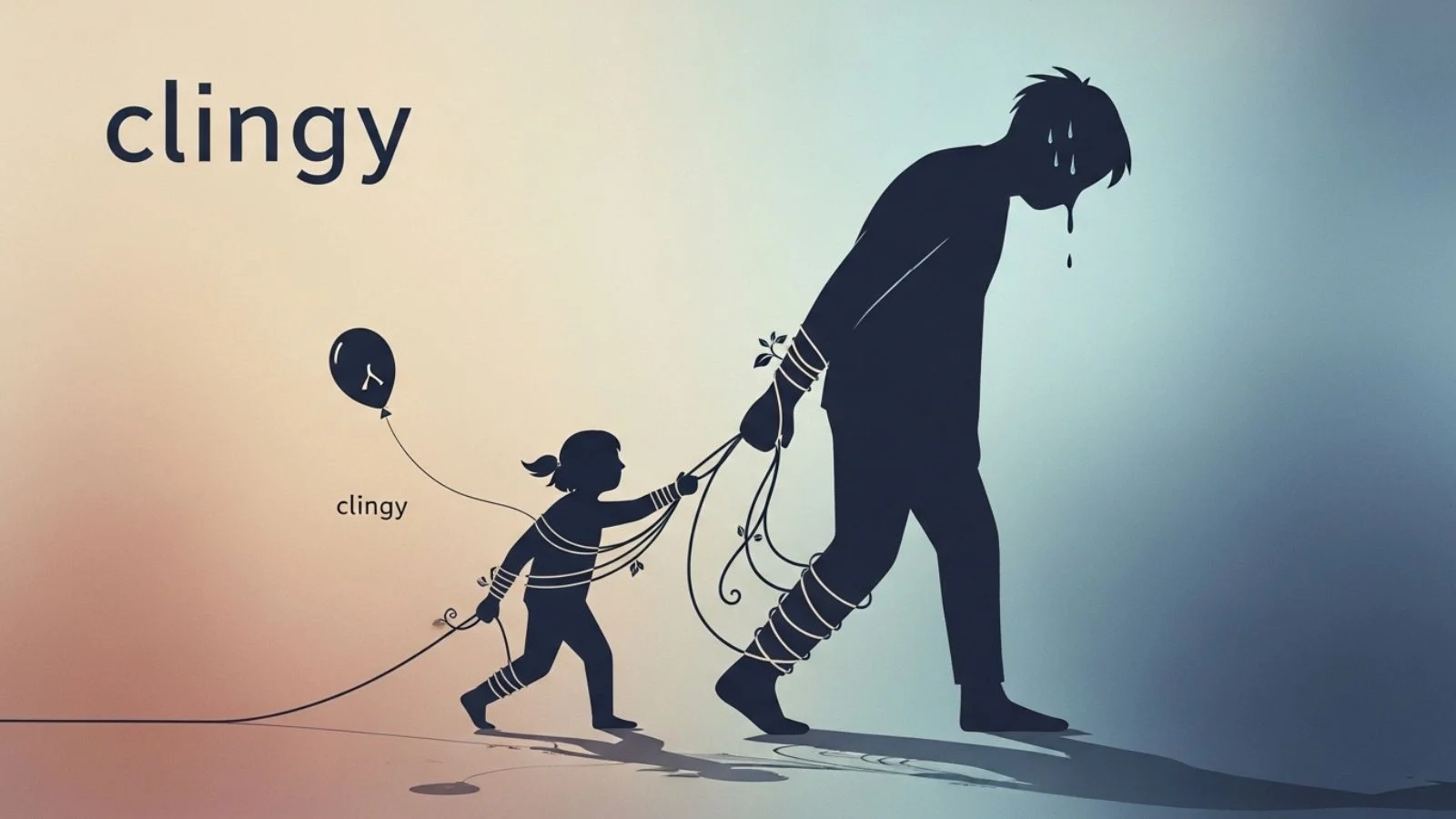
When you hear someone described as “clingy,” what comes to mind? Is it a warning, an observation, or a casual label? The term “clingy” is widely used in relationships, social media, and everyday conversations, but its meaning can sometimes be misunderstood. Whether you’ve been called clingy, know someone who is, or are simply curious, understanding this term helps you navigate social interactions more confidently.
In this article, we’ll break down the meaning of clingy, its origins, real-life examples, emotional context, cultural differences, and how to respond if someone uses it about you. By the end, you’ll have a practical, real-world understanding of the word and its nuances.
Clingy – Quick Meaning
At its core, clingy describes someone who seeks constant attention, affection, or reassurance from another person. It often refers to emotional dependency or excessive attachment, especially in relationships or friendships.
Key points to understand clingy:
- Emotional Attachment: The person wants frequent connection.
- Behavior Patterns: Often texts, calls, or seeks physical presence frequently.
- Perceived Intensity: Can feel overwhelming or suffocating to others.
Example sentences:
- “She’s really clingy; she calls me five times a day.”
- “I didn’t mean to be clingy, I just missed talking to you.”
- “Sometimes being clingy is just a sign someone cares too much.”
Origin & Background
The word clingy comes from the verb cling, which dates back to Old English clingan, meaning “to adhere tightly.” Over time, the adjective clingy emerged in everyday speech to describe someone who “sticks” to others emotionally or physically.
In modern usage, the term gained popularity with the rise of dating apps, social media, and online communication. People began using it not just in personal interactions but also in casual chat, memes, and TikTok or Instagram posts to describe attachment styles or behaviors that seemed excessive.
Real-Life Conversations
Understanding clingy is easiest through real-life examples. Here are a few realistic text exchanges:
Example 1 – WhatsApp
Person A: “Hey, why haven’t you replied? Are you ignoring me?”
Person B: “I’m just busy with work, don’t worry.”
Person A: “Okay… but can we video call later? I miss you.”
Example 2 – Instagram DM
Person A: “Why didn’t you like my story?”
Person B: “I saw it but didn’t tap like.”
Person A: “Aww, you’re so clingy, always watching everything I post.”
Example 3 – TikTok comment section
Commenter 1: “He keeps texting me all day, every day!”
Commenter 2: “That’s super clingy, you need some space.”
These examples show how clinginess appears in digital communication, often tied to frequent contact or constant attention-seeking.
Emotional & Psychological Meaning
Clingy behavior often reflects deeper emotions or personality traits:
- Attachment Styles: People with anxious attachment may feel clingy because they fear losing connection.
- Insecurity or Loneliness: Frequent checking-in can stem from needing reassurance.
- Care and Affection: Sometimes clinginess is simply a strong desire to care or be close.
While clingy behavior can feel overwhelming for the receiver, it’s important to remember it often comes from genuine emotion rather than manipulation.
Usage in Different Contexts
Social Media:
- Liking all posts, commenting frequently, or responding immediately to messages.
Friends & Relationships:
- Asking to hang out constantly, wanting frequent updates, or needing affirmation.
Work or Professional Settings:
- Usually negative; calling or emailing excessively can be considered clingy or intrusive.
Casual vs Serious Tone:
- In casual settings, it’s often joked about (“You’re so clingy!”).
- In serious contexts, it may indicate an unhealthy dependency.
Common Misunderstandings
- Clingy ≠ Caring: Being attentive or supportive isn’t automatically clingy.
- Frequency vs Neediness: Sending occasional messages doesn’t equal clinginess.
- Cultural Differences: Some cultures perceive frequent communication as caring, others as intrusive.
Situations where “clingy” is misused include: someone simply expressing concern, checking in, or being socially warm.
Comparison Table
| Term | Meaning | Use Case | Key Insight |
|---|---|---|---|
| Clingy | Seeks constant attention | Romantic or friendship | Often emotional dependency |
| Needy | Requires emotional support | Personal issues | Shows vulnerability rather than attachment |
| Independent | Comfortable with personal space | Any setting | Opposite of clingy |
| Attached | Emotionally bonded | Healthy or unhealthy | Neutral, context matters |
| Overbearing | Controlling or demanding | Can feel suffocating | Stronger than clingy |
Key Insight: Clinginess is about attention-seeking and attachment, while related terms differ in intensity or emotional focus.
Variations / Types of Clingy Behavior
- Text Clingy – Constant messaging or checking if replies come.
- Call Clingy – Frequent calls without considering the other’s schedule.
- Social Media Clingy – Liking, commenting, or monitoring online activity.
- Physical Clingy – Excessive hugs, hand-holding, or wanting to be physically close.
- Emotional Clingy – Sharing feelings constantly, needing reassurance.
- Planning Clingy – Always scheduling time together, no personal space.
- Possessive Clingy – Discomfort when others interact with a partner or friend.
- Jealous Clingy – Sensitive about attention given to others.
- Support Clingy – Seeks help or advice for minor issues constantly.
- Reassurance Clingy – Needs repeated affirmations of love or friendship.
How to Respond When Someone Uses “Clingy”
Casual reply: “Haha, maybe a little, I just enjoy chatting.”
Funny reply: “Guilty! I stick like glue.”
Mature/confident reply: “I care a lot, but I’ll give you space too.”
Private/respectful reply: “Thanks for letting me know, I’ll try to balance things better.”
Regional & Cultural Usage
- Western Culture: Clinginess often seen as overly dependent or intrusive.
- Asian Culture: Can be viewed as caring and attentive, especially in family or romantic contexts.
- Middle Eastern Culture: Strong emotional connection is valued; frequent communication may not be clingy.
- Global Internet: Digital communication often exaggerates perception of clinginess, especially with instant messaging.
Frequently Asked Questions
1. Is being clingy always bad?
Not always. It depends on context, mutual comfort, and boundaries.
2. How do I know if I’m clingy?
Frequent messaging, constant checking-in, or feeling anxious when not in contact are common signs.
3. Can clinginess be fixed?
Yes, with self-awareness, healthy communication, and personal space.
4. Is clingy the same as needy?
No. Needy often refers to emotional support, while clingy is attachment and constant presence.
5. Can men and women be equally clingy?
Absolutely. Clinginess is about behavior, not gender.
6. How do I tell someone they’re clingy politely?
Use calm, respectful language: “I like our time together, but I need some personal space too.”
Conclusion
Understanding the term clingy is more than knowing a definition. It’s about recognizing behavior, emotional context, and cultural perception. While being clingy can sometimes feel overwhelming for others, it often reflects care, attachment, or insecurity rather than negative intent.
In real life, awareness and communication are key. Observing your own behaviors and respecting others’ boundaries can help balance closeness and independence. Clingy is not inherently bad—it’s simply a human way of seeking connection, and knowing how to navigate it makes relationships smoother and more authentic.
Discover More Post
Joi Meaning: Understanding This Popular Term in Modern Conversations
No Cap Meaning: What “No Cap” Really Means and How to Use It in 2026
Dragonfly Meaning: Discover the Symbolism, Conversations, and Real-Life Use